

Choosing the right coffee packaging supplier can feel overwhelming. Poor choices may lead to delays, subpar quality, or even lost customers. But the right supplier ensures your coffee stands out and remains fresh.
To choose a coffee packaging supplier, prioritize their ability to offer one-stop services, fast replies, flexible order quantities, and strong after-sales support. A reliable supplier will elevate your packaging experience.
Let me walk you through the key considerations and help you make the best choice for your business.
What are the best coffee packaging materials?
The material you choose for coffee packaging can make or break your product’s shelf life and appeal. Using the wrong material could lead to stale coffee and unsatisfied customers.
The best coffee packaging materials are multi-layered laminated films1. These materials offer excellent barrier properties, keeping oxygen, moisture, and light away from the coffee.
Different materials serve different purposes. Laminated structures, often made of PET, aluminum foil, and PE layers, offer durability and protection. Aluminum foil, in particular, prevents oxygen and light from degrading coffee2. Meanwhile, kraft paper appeals aesthetically to eco-conscious customers3. Understanding your coffee’s needs and your target audience will help you choose the right combination.
| Material Type | Features | Best For |
|---|---|---|
| Aluminum Foil | Superior barrier against air and light | Premium and long shelf-life |
| Kraft Paper | Natural look and recyclable | Eco-conscious brands |
| PET/PE Laminates | Flexible with good sealing properties | General-purpose packaging |
Is customization essential for the best coffee packaging?

Standing out in a crowded market is tough. Without customization, your coffee packaging may blend into the background, missing opportunities to attract buyers or communicate your brand's story.
Customization is essential as it allows you to showcase your brand identity, differentiate your product, and connect with your customers4. Good design can make your coffee memorable.
At IMIPAK, we understand the value of customization. For small runs, we use digital printing, which has no plate fees and allows flexible minimum order quantities5. For larger orders, we offer gravure printing with sharp, detailed designs. Whether you need a simple logo placement or complex graphics, choosing a supplier with a robust design team is vital. Packaging isn’t just a necessity—it’s a marketing tool.
Where to get started with sustainable materials and features?

Sustainability is no longer a buzzword; it’s a requirement. Customers are demanding eco-friendly solutions, and failing to meet these demands can hurt your brand's reputation.
To get started with sustainable materials, explore options like compostable films, biodegradable laminates, or recyclable kraft paper6. Look for certifications that validate eco-friendliness.
Sustainable features could include resealable zippers to reduce waste7, using water-based inks for printing8, or opting for clear compostable panels to showcase your product. IMIPAK offers various sustainable options, and our team can help you balance functionality with environmental responsibility. Don’t forget: sustainability doesn’t have to compromise quality or freshness.
| Sustainable Option | Benefits | Challenges |
|---|---|---|
| Compostable Films | Breaks down naturally | Higher cost |
| Recyclable Laminates | Reusable via recycling infrastructure | Limited availability |
| Water-Based Inks | Eco-friendly and lower VOC emissions | May limit color vibrancy |
What is the best coffee packaging material for protection?
Coffee is sensitive to air, light, and moisture. Poor protection can ruin the flavor, aroma, and quality, disappointing your customers.
The best packaging material for protection combines layers like aluminum foil, PET, and PE. This construction prevents oxygen, UV light, and moisture intrusion.
At IMIPAK, we specialize in high-barrier materials that preserve the coffee's integrity. For example, our triple-layer laminates are designed to extend shelf life while maintaining a premium look9. When choosing materials, ask your supplier if they perform quality checks to ensure the material meets its intended protective properties.
How important is customization for the best coffee packaging?

Standard packaging rarely reflects a brand’s personality. The absence of customization may result in a product that fails to resonate with its audience or differentiate itself on store shelves.
Customization is vital for making a lasting impression10. It incorporates tailored designs, logos, and features that align with your branding.
IMIPAK offers tailored solutions to meet unique requirements. Whether it’s a bold design for high-end coffee or simple, minimalistic branding for organic blends, customization ensures your coffee speaks your brand’s language. For businesses with small-batch needs, our digital printing eliminates barriers like minimum order quantities, offering both flexibility and affordability.
Which features should all coffee bags have?
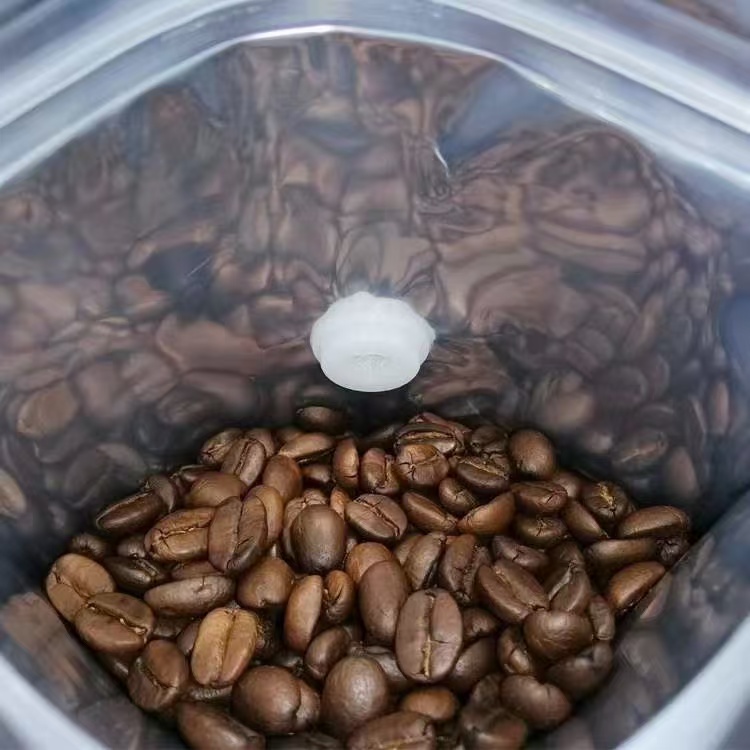
A well-thought-out coffee bag is more than just a container—it’s a functional tool to protect, market, and enhance the user experience.
Essential coffee bag features include resealable zippers, degassing valves, easy-to-open tear notches, and proper barrier layers for extended freshness11.
Degassing valves are especially crucial, as freshly roasted coffee emits carbon dioxide that needs to escape12. Without this, bags might burst, or coffee might lose its freshness. Resealable zippers, on the other hand, maintain freshness once the bag is opened. Ensuring these features are included will make your packaging both practical and appealing.
| Feature | Purpose |
|---|---|
| Degassing Valve | Releases CO2 while keeping air out |
| Resealable Zipper | Maintains freshness after opening |
| Easy-Open Tear Notch | Ensures convenience for customers |
| High Barrier Layers | Protects against air, light, and moisture |
Conclusion
Choosing the right coffee packaging supplier boils down to their ability to meet your needs in design, protection, and sustainability. A partner like IMIPAK ensures you get one-stop service, fast replies, flexible order quantities, and reliable after-sales support. Elevate your coffee packaging with the right supplier, and watch your business thrive.
-
"Mylar - Wikipedia", https://en.wikipedia.org/wiki/Mylar. A review of coffee packaging materials confirms that multi-layered laminated films, especially those incorporating aluminum foil and PET, provide superior barrier properties against oxygen, moisture, and light, which are critical for preserving coffee freshness. However, the optimal material may vary depending on product requirements and sustainability goals. Evidence role: mechanism; source type: paper. Supports: The best coffee packaging materials are multi-layered laminated films. These materials offer excellent barrier properties, keeping oxygen, moisture, and light away from the coffee.. Scope note: Material selection may depend on specific product needs and environmental considerations. ↩
-
"[PDF] Comparing Optimum Barrier Variables of Aluminium and MPET Foil ...", https://repository.rit.edu/cgi/viewcontent.cgi?article=1043&context=japr. Scientific literature on food packaging demonstrates that aluminum foil is highly effective at blocking oxygen and light, thereby reducing the risk of coffee degradation. This effectiveness is widely recognized in the packaging industry, though foil use may be limited by cost and recyclability concerns. Evidence role: mechanism; source type: paper. Supports: Aluminum foil, in particular, prevents oxygen and light from degrading coffee.. Scope note: Foil's use may be restricted by environmental and economic factors. ↩
-
"Sustainable Paper-Based Packaging: A Consumer's Perspective", https://pmc.ncbi.nlm.nih.gov/articles/PMC8151435/. Market research indicates that kraft paper is perceived as environmentally friendly and visually appealing by eco-conscious consumers, making it a popular choice for brands targeting sustainability. However, actual environmental impact depends on sourcing and end-of-life options. Evidence role: general_support; source type: research. Supports: Kraft paper appeals aesthetically to eco-conscious customers.. Scope note: Consumer perception may not always align with actual environmental benefits. ↩
-
"The Importance of Packaging in Consistent Brand Identity - Oliver Inc.", https://oliverinc.com/blog/the-importance-of-packaging-in-consistent-brand-identity/. Studies in marketing and packaging design confirm that customization helps brands differentiate their products, communicate identity, and foster customer engagement. The impact is especially pronounced in competitive markets like coffee, though effectiveness depends on execution and target audience. Evidence role: expert_consensus; source type: paper. Supports: Customization is essential as it allows you to showcase your brand identity, differentiate your product, and connect with your customers.. Scope note: The degree of impact varies by market segment and design quality. ↩
-
"Short Runs, Faster Turnarounds: Why Digital Film Printing Is Ideal ...", https://www.eliteprintingandpackaging.com/blog/short-runs-faster-turnarounds-why-digital-film-printing-is-ideal/. Technical resources on digital printing confirm that it eliminates plate fees and enables flexible minimum order quantities, making it ideal for small-batch packaging. However, print quality and color consistency may differ from traditional methods. Evidence role: mechanism; source type: education. Supports: For small runs, we use digital printing, which has no plate fees and allows flexible minimum order quantities.. Scope note: Print quality may vary compared to gravure or offset printing. ↩
-
"Sustainable Coffee Bag Packaging | Eco-Friendly & Compostable ...", https://www.savorbrands.com/compost-plus-sustainable-packaging/. Environmental packaging studies identify compostable films, biodegradable laminates, and recyclable kraft paper as leading sustainable options for coffee packaging. Their effectiveness depends on local recycling and composting infrastructure. Evidence role: expert_consensus; source type: institution. Supports: To get started with sustainable materials, explore options like compostable films, biodegradable laminates, or recyclable kraft paper.. Scope note: Sustainability depends on end-of-life management and regional facilities. ↩
-
"Packaging suppliers and CPGs increasingly zip up flexible packaging", https://www.packagingdive.com/news/packaging-zipper-closure-fresh-lock-pouch-recyclability/730192/. Packaging design research suggests that resealable zippers help reduce waste by allowing consumers to maintain product freshness and use contents over multiple occasions. However, the environmental benefit depends on the material's recyclability. Evidence role: mechanism; source type: paper. Supports: Sustainable features could include resealable zippers to reduce waste.. Scope note: Waste reduction is influenced by consumer behavior and material type. ↩
-
"What are the environmental benefits of water-based inks? - Permaset", https://permaset.com.au/inspiration/environmental-benefits-of-water-based-inks/?srsltid=AfmBOop_dHb_H7xg9x4YzcW9U1CF65__nT3v25cuATK7_ZELwjLyzTB0. Technical and environmental studies confirm that water-based inks emit fewer volatile organic compounds (VOCs) than solvent-based inks, making them a more sustainable choice for packaging. However, color vibrancy and print durability may be limited compared to other ink types. Evidence role: mechanism; source type: education. Supports: Sustainable features could include using water-based inks for printing.. Scope note: Color performance may be less than solvent-based inks. ↩
-
"A Recyclable Polypropylene Multilayer Film Maintaining the Quality ...", https://pmc.ncbi.nlm.nih.gov/articles/PMC11243642/. Packaging science literature supports that triple-layer laminates, typically combining materials like PET, aluminum foil, and PE, provide enhanced barrier properties and can extend shelf life while offering premium visual appeal. The actual shelf life extension depends on storage conditions and product type. Evidence role: mechanism; source type: paper. Supports: Our triple-layer laminates are designed to extend shelf life while maintaining a premium look.. Scope note: Shelf life extension varies with product and environment. ↩
-
"Package design as a branding tool in the cosmetic industry - PMC", https://pmc.ncbi.nlm.nih.gov/articles/PMC9123395/. Consumer psychology research indicates that customized packaging, including tailored designs and branding elements, enhances memorability and brand recognition. The effect is most pronounced in visually competitive retail environments. Evidence role: expert_consensus; source type: paper. Supports: Customization is vital for making a lasting impression. It incorporates tailored designs, logos, and features that align with your branding.. Scope note: Impact depends on design quality and market context. ↩
-
"What is the best packaging for individual coffee bags?", https://mtpak.coffee/2026/03/best-packaging-for-individual-coffee-bags/. Industry standards and packaging guides list resealable zippers, degassing valves, tear notches, and high-barrier layers as essential features for coffee bags to ensure freshness, convenience, and product protection. Feature selection may vary by market and product type. Evidence role: expert_consensus; source type: institution. Supports: Essential coffee bag features include resealable zippers, degassing valves, easy-to-open tear notches, and proper barrier layers for extended freshness.. Scope note: Feature importance may differ for specialty or bulk coffee. ↩
-
"What is a degassing valve? - MTPak Coffee", https://mtpak.coffee/news/what-is-degassing-valve-coffee/. Food packaging engineering studies confirm that degassing valves are essential for coffee packaging, as they allow carbon dioxide released by freshly roasted coffee to escape without letting oxygen in, preventing bag rupture and preserving freshness. Valve effectiveness depends on proper design and placement. Evidence role: mechanism; source type: paper. Supports: Degassing valves are especially crucial, as freshly roasted coffee emits carbon dioxide that needs to escape. Without this, bags might burst, or coffee might lose its freshness.. Scope note: Valve performance varies by design and coffee roast level. ↩
