

Without a valve, freshly roasted coffee beans spoil quickly due to trapped carbon dioxide.
A degassing valve1 lets CO₂ escape without letting outside air in, preserving the flavor and aroma of coffee beans or grounds.
When I first sourced coffee bags, I didn’t understand the valve’s role. Now, I won’t pack beans without it.
How do coffee bag valves work?
Coffee looks still, but it’s chemically active after roasting.
A coffee valve is a one-way vent2 that releases carbon dioxide while preventing oxygen from entering the bag.

Dive Deeper: The science behind degassing
Freshly roasted coffee emits CO₂ for days, even weeks. Trapping that gas inside a sealed bag creates pressure and changes flavor. If there’s no valve, the bag might swell, burst, or cause oxidation3 that ruins the beans.
The valve solves this:
- It opens under internal gas pressure (from CO₂)
- It stays closed under external air pressure (blocking oxygen)
- It balances freshness with safety
The technology behind this is simple yet effective. A silicone membrane4 or flap inside the valve flexes open when CO₂ builds up. When the pressure drops, it shuts automatically.
What is a one-way degassing valve1?
You’ve seen the tiny circle on coffee bags—but what exactly is it?
A one-way degassing valve1 is a small plastic component sealed onto a coffee bag that allows internal gas to exit but blocks outside air.
This isn’t optional—it’s essential for coffee freshness5.
Dive Deeper: Key reasons to use a one-way valve
1. Prevents oxidation3
Oxygen breaks down oils in coffee. This makes beans taste rancid. The valve blocks oxygen from entering.
2. Releases CO₂ safely
Roasted beans emit up to 2 liters of CO₂ per kilogram. Without venting, bags can swell or explode.
3. Enables immediate packing
With a valve, roasters can pack beans right after roasting. No need to wait for degassing.
4. Improves customer trust6
Seeing a valve signals quality. Serious roasters always use valves. It’s part of the brand’s promise.
Where is the valve placed?
Most valves are heat-sealed into the bag surface, near the top. Placement varies slightly based on bag style—stand-up pouch7, flat-bottom, or side-gusset.

What is a degassing valve1 pouch?
Not every bag is created equal.
A degassing valve1 pouch is a flexible coffee bag equipped with a one-way valve, designed to store roasted beans or grounds while maintaining freshness.
These bags come in various formats, all customizable.
Dive Deeper: Bag types that use degassing valve1s
| Bag Type | Features | Recommended Use |
|---|---|---|
| Stand-Up Pouch | Resealable, good for retail shelves | 100g–500g beans or powder |
| Side-Gusset Bag | Larger volume, boxy look | 250g–1kg roasted beans |
| Flat-Bottom Bag | Premium look, stable base | 250g–1kg specialty coffee |
Valve Compatibility
Valves can be added to any of the above. Most roasters choose side-gusset or flat-bottom bags for their capacity and shelf presence.
Here’s what I often recommend to clients:
- For whole beans: any bag with a degassing valve1 is suitable
- For ground coffee: better to use valve with filter mesh8 to avoid powder leaking out
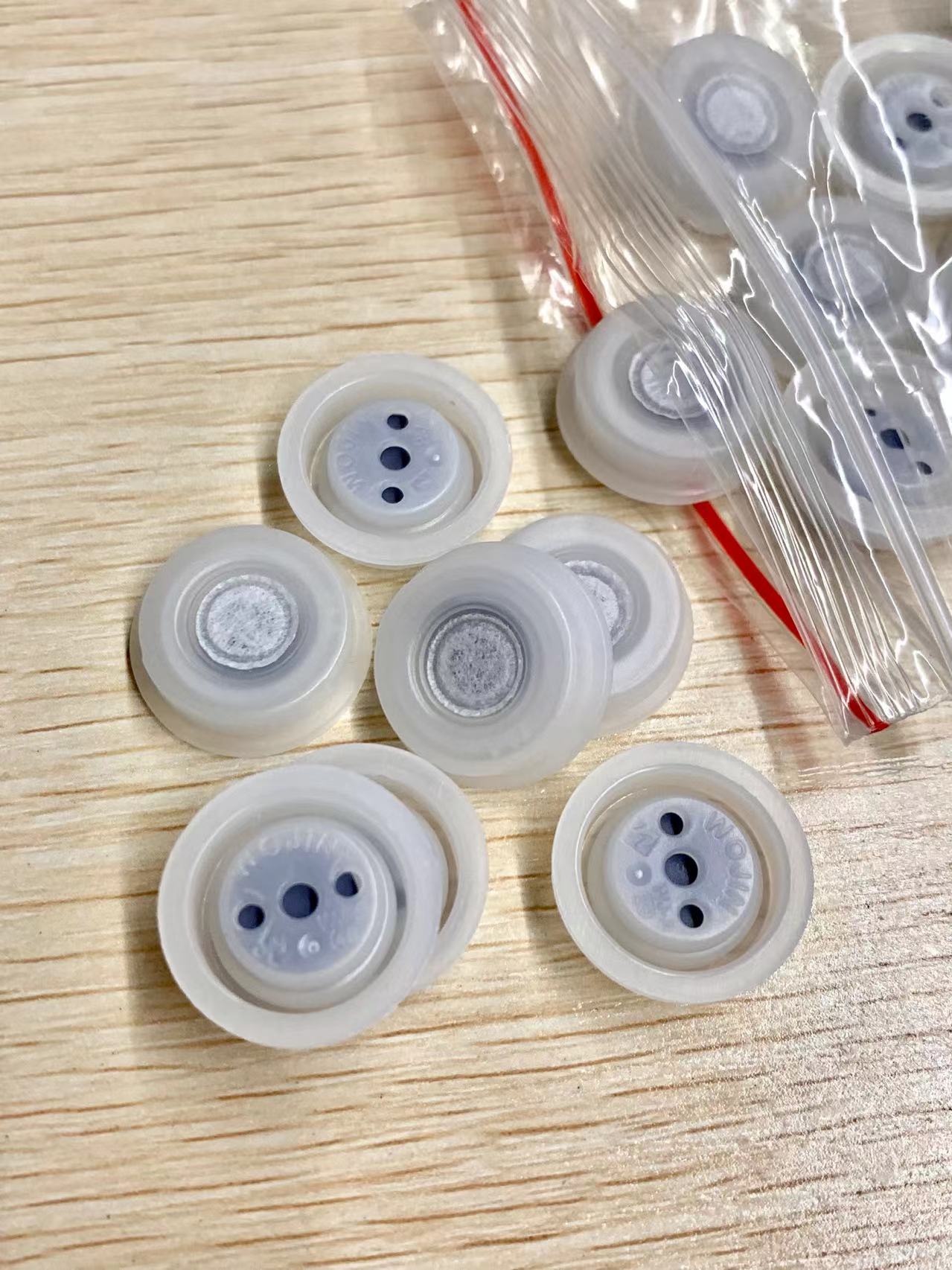
one-way degassign valve What types of coffee bag valves are available?

Not all valves perform the same way.
There are mainly two types of degassing valve1s: one with filter mesh8 (nonwoven fabric), and one without. Each suits different coffee formats.
Dive Deeper: Nonwoven vs. Non-mesh valve
| Valve Type | Filter Included? | For Coffee Beans | For Coffee Powder | Cost Level |
|---|---|---|---|---|
| Nonwoven Fabric Valve | Yes | ✅ | ✅ | Higher |
| Basic Valve (No Mesh) | No | ✅ | ❌ (powder leaks) | Lower |
Why choose nonwoven?
The nonwoven fabric acts as a dust barrier. It prevents fine coffee grounds from entering and clogging the valve. Without it, ground coffee may leak or jam the vent.
When to avoid it?
If you're packing only whole beans, the cheaper non-mesh valve works fine. It's simpler, still effective, and more cost-efficient.
Why is a degassing valve1 essential for coffee packaging?
Too many new brands skip this small part to save cost.
A degassing valve1 is critical to prevent CO₂ build-up, avoid flavor loss, and preserve the freshness of roasted coffee.
Skipping the valve might save a few cents per bag, but it costs long-term in taste, safety, and customer loyalty.
Dive Deeper: Common mistakes to avoid
-
Skipping valve for freshly roasted beans
- Leads to bag inflation and poor shelf appeal
-
Using wrong valve for ground coffee
- Causes leaks or customer complaints
-
Incorrect valve placement
- Impacts degassing performance or ruins packaging appearance
-
Low-quality valves from unknown suppliers
- May fail under heat or allow air ingress
I once had a client in Australia who received a bulk order of valve bags from an unknown supplier. The valves cracked during shipping because they weren’t properly tested for heat resistance. They lost the entire batch. Always ask for samples and test the sealing strength before ordering.
Conclusion
Always use degassing valve1s to protect coffee freshness5—choose the right type for your beans or grounds.
-
Understanding degassing valves is crucial for maintaining coffee freshness and flavor. ↩ ↩ ↩ ↩ ↩ ↩ ↩ ↩ ↩ ↩ ↩
-
Learn how one-way vents preserve the quality of your coffee by preventing oxidation. ↩
-
Explore the impact of oxidation on coffee to appreciate the importance of proper packaging. ↩ ↩
-
Discover the technology behind silicone membranes that enhance coffee freshness. ↩
-
Find effective methods to keep your coffee fresh and flavorful for longer. ↩ ↩
-
Understand the role of packaging in building customer trust and brand loyalty. ↩
-
Learn why stand-up pouches are popular for coffee packaging and their advantages. ↩
-
Understand how filter mesh prevents clogging and enhances the performance of coffee bags. ↩ ↩
