

Ordering custom printed rewind film can feel overwhelming. With so many details to consider, it's easy to miss vital specifications and end up with packaging that doesn't meet your needs.
The key specifications you need include material selection1, dimensions, unwind direction, finish, minimum order quantity (MOQ), printing method, and quality standards like the absence of joints.
Choosing the right rewind film ensures seamless packaging operations, reduces waste during filling, and enhances the product’s final presentation. Let’s dive deeper into each aspect to understand better.
What material should you use?
Selecting the right material for your rewind film is critical. Using the wrong material can lead to damaged products or packaging that fails to meet your needs.
You should choose high-quality materials that match your product’s requirements, such as barrier properties for freshness or durability for transportation2.

High-quality materials, like multi-layer laminates3, are ideal for flexible packaging. If you're packaging coffee beans, for example, using materials with high oxygen and moisture barriers is essential4. At IMIPAK, we use only virgin materials, ensuring durability and freshness. Avoid recycled or compromised materials that might result in poor performance or odor issues. The right material also impacts sealing properties, so ensure compatibility with your filling machines.
How about the length, width, core inner diameter? Unwind direction? Matt finish or glossy finish?
Dimensional specifications are vital, but they are often overlooked, leading to operational inefficiencies and aesthetic issues.
You need to confirm the roll length, width, core diameter, and unwind direction to match your machine and production requirements. Decide between matte or glossy finishes depending on your brand’s aesthetic.
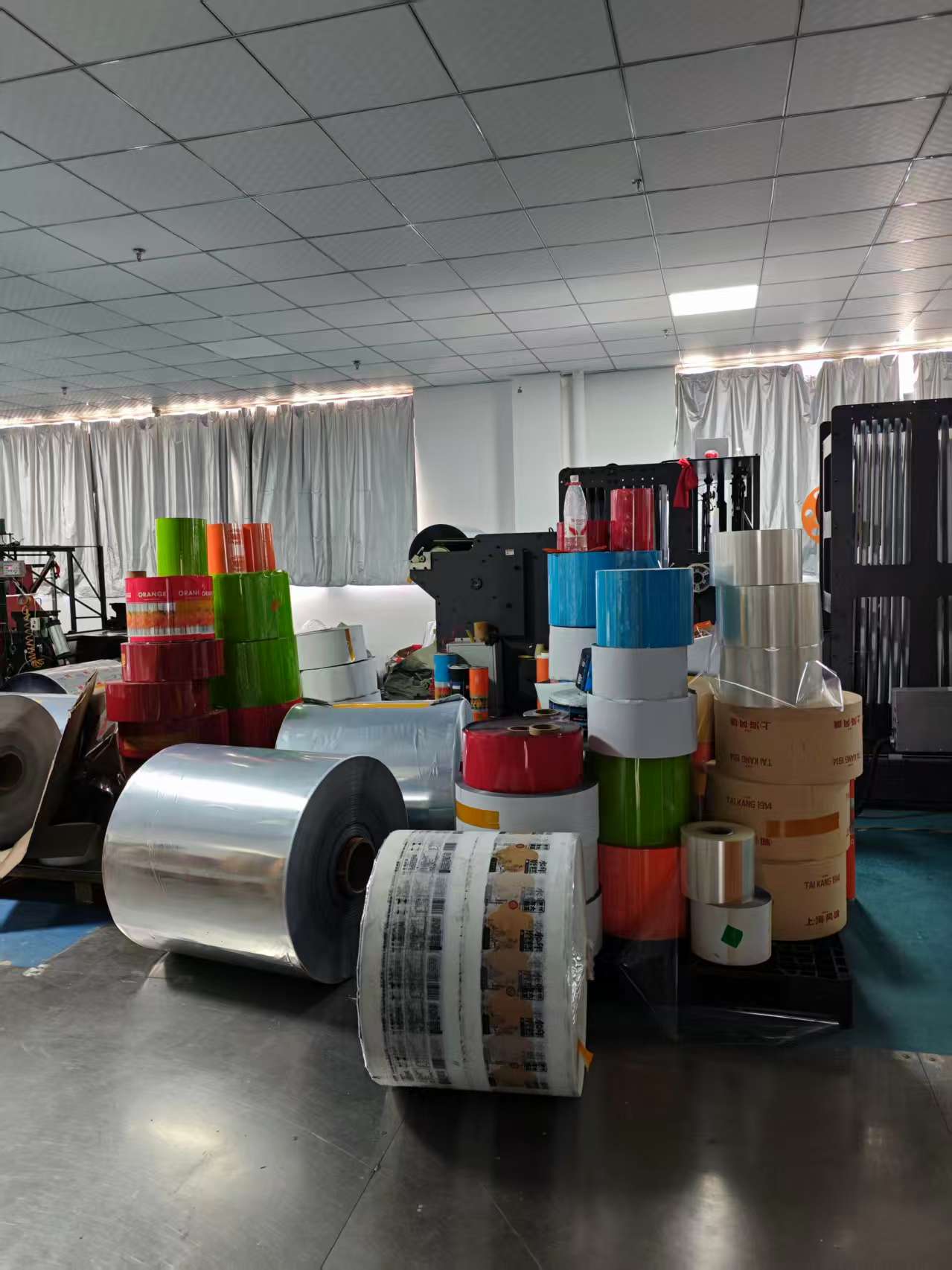
The core inner diameter must match your machine’s spindle size5. Roll length and width should correspond to the packaging machine’s input requirements. Unwind direction is perhaps the most critical detail; an incorrect setting can halt production and increase costs6. Glossy finishes are popular for products aiming for a shiny, premium look, while matte finishes work well for brands emphasizing simplicity and elegance, like coffee packaging. Clarity on these parameters avoids production delays and maintains your brand’s integrity.
What is the MOQ?
Minimum order quantities (MOQs) can help you plan your budgets and align with your production needs.
The MOQ depends on the supplier and printing method. While digital printing allows for lower MOQs, gravure printing usually requires higher quantities7.
At IMIPAK, we offer competitive MOQs tailored to our customers’ needs. If you’re experimenting with packaging designs, digital printing may be a cost-effective option for smaller runs. However, for large-scale production, higher MOQs are often more economical, especially with gravure printing. Before committing, assess your sales forecast and storage capacity to avoid waste or supply shortages.
Digital printing or gravure printing? Which is better?
Choosing the right printing method can significantly impact your costs, visual appeal, and production efficiency.
Gravure printing is better for large-scale runs, offering higher-quality results. Digital printing is ideal for small orders or trial runs with intricate designs.
Gravure printing creates crisp, sharp design details, making it ideal for premium packaging. It’s perfect for large-volume orders, as its cost per unit decreases with higher quantities. On the other hand, digital printing is fast and flexible, allowing for quick modifications to designs, making it ideal for limited runs or prototypes. Assess your needs—if consistency and quality are crucial, go gravure; if flexibility and low MOQs matter, opt for digital printing.
Why is "no joint or no more than 2" important?
Quality control is critical in rewind film, and joints are a common issue that can disrupt filling and sealing processes.
Rewind films with "no joints or no more than two" ensure smooth operations, reducing waste and preventing production downtime8.
At IMIPAK, we adopt strict quality assurance measures, ensuring that our rewind films are either seamless or have no more than two joints. This prevents issues like tearing during automated filling or sealing processes. Joints can also lead to misalignments, causing material wastage and increased labor costs. By eliminating unnecessary interruptions, we help customers optimize efficiency and protect the integrity of their packaging operations.
Conclusion
Understanding specifications like material, dimensions, printing methods, and quality standards ensures better rewind film performance, reduces waste, and improves packaging efficiency9.
-
"Package film", https://en.wikipedia.org/wiki/Package_film. Encyclopedic sources describe material selection as a fundamental specification in flexible packaging, impacting product protection and operational compatibility. Evidence role: definition; source type: encyclopedia. Supports: The key specifications you need include material selection, dimensions, unwind direction, finish, minimum order quantity (MOQ), printing method, and quality standards like the absence of joints.. Scope note: General packaging literature may not address rewind film specifically. ↩
-
"Frequently asked questions about packaging testing", https://www.vectorpro.io/articles/frequently-asked-questions-about-packaging-testing. Research literature confirms that barrier properties in packaging materials are essential for maintaining product freshness and protecting against environmental factors during transportation. Evidence role: mechanism; source type: paper. Supports: You should choose high-quality materials that match your product’s requirements, such as barrier properties for freshness or durability for transportation.. Scope note: Barrier requirements vary by product type and packaging application. ↩
-
"Flexible Calendar", https://www.cccco.edu/about-us/chancellors-office/divisions/educational-services-and-support/flexible-calendar/. Academic and industry sources identify multi-layer laminates as a common choice for flexible packaging due to their enhanced barrier and mechanical properties. Evidence role: expert_consensus; source type: education. Supports: High-quality materials, like multi-layer laminates, are ideal for flexible packaging.. Scope note: Specific laminate compositions depend on the packaged product. ↩
-
"Functional properties of food packaging solutions alternative ...", https://pmc.ncbi.nlm.nih.gov/articles/PMC11794936/. Studies in food packaging science demonstrate that materials with high oxygen and moisture barriers are critical for preserving products like coffee beans. Evidence role: mechanism; source type: paper. Supports: If you're packaging coffee beans, for example, using materials with high oxygen and moisture barriers is essential.. Scope note: Barrier requirements may differ for other food products. ↩
-
"ID vs. OD: Understanding Coil Geometry for Packaging ...", https://www.fhopepack.com/zh/id-vs-od-understanding-coil-geometry-for-packaging-machine-selection/. Technical guides on packaging machinery emphasize that matching the core inner diameter to the spindle size is necessary for proper machine operation and to avoid production issues. Evidence role: mechanism; source type: education. Supports: The core inner diameter must match your machine’s spindle size.. Scope note: Machine specifications may vary across manufacturers. ↩
-
"Unwind Chart", https://www.polyprint.com/unwind-chart/. Industry documentation and technical manuals highlight that incorrect unwind direction can cause production stoppages and increased costs in automated packaging lines. Evidence role: case_reference; source type: institution. Supports: Unwind direction is perhaps the most critical detail; an incorrect setting can halt production and increase costs.. Scope note: Severity of impact depends on machine design and production scale. ↩
-
"Why Minimum Order Quantity Exists for Custom Packaging", https://www.ecoenclose.com/blog/minimum-order-quantities-what-they-are-and-why-we-have-them/?srsltid=AYCX9vJdPBqibAwaJkrSArJItsBKFo3UJfqtC8wgocsFMAeTjPKEoxSa. Industry reports and technical papers confirm that digital printing enables lower minimum order quantities compared to gravure printing, which is more economical at higher volumes. Evidence role: statistic; source type: research. Supports: The MOQ depends on the supplier and printing method. While digital printing allows for lower MOQs, gravure printing usually requires higher quantities.. Scope note: MOQ thresholds vary by supplier and technology. ↩
-
"Secrets for Consistently Winding Quality Tools of Flexible ...", https://library.rolltoroll.org/blog/secrets-for-consistently-winding-quality-tools-of-flexible-packaging-film/. Packaging quality control guidelines state that limiting the number of joints in rewind film reduces operational disruptions, material waste, and downtime in automated packaging processes. Evidence role: mechanism; source type: institution. Supports: Rewind films with "no joints or no more than two" ensure smooth operations, reducing waste and preventing production downtime.. Scope note: Acceptable joint limits may differ by industry and machine type. ↩
-
"Performance Packaging Codes", https://www.phmsa.dot.gov/sites/phmsa.dot.gov/files/docs/Performance%20Packaging%20Codes.pdf. General packaging engineering literature supports the view that careful attention to material, dimensional, and quality specifications improves performance, reduces waste, and enhances efficiency in flexible packaging operations. Evidence role: general_support; source type: education. Supports: Understanding specifications like material, dimensions, printing methods, and quality standards ensures better rewind film performance, reduces waste, and improves packaging efficiency.. Scope note: Improvements depend on proper implementation and process control. ↩
