

Minimum Order Quantity (MOQ) is a term that often sparks curiosity and concern, especially for businesses starting out in the coffee packaging industry. Questions like "How much do I really need to order?" and "How does MOQ impact costs and delivery times?" are common. Let's break it down and explore the options available to make your packaging journey smoother.
MOQ stands for Minimum Order Quantity, the smallest quantity a supplier can produce or sell.1 It impacts pricing, production method, and delivery times.2

MOQ can be flexible. At IMIPAK, we offer options for both small and large production runs. For quantities below 5,000 pieces, digital printing is used, eliminating plate-making fees.3 Gravure printing becomes cost-effective for orders above 5,000 pieces, and its plate-making fee is a one-time charge as long as designs remain unchanged.4
What is MOQ in coffee packaging?
MOQ can be confusing for coffee businesses. It’s the smallest quantity a supplier will accept, affecting pricing and production methods. Understanding this term can help you plan better.
In coffee packaging, MOQ determines production costs and methods. Lower quantities often mean higher costs per unit, while larger orders can reduce costs significantly.5
When ordering coffee packaging, smaller quantities (under 5,000 pieces) are produced using digital printing. It skips the plate-making fee, making it ideal for small businesses or trial runs. For quantities above 5,000, gravure printing is used. This method requires a one-time plate-making fee but offers the best value for mass production.
What are the different types of coffee packaging?
Coffee packaging isn't one-size-fits-all. Each type serves specific purposes, from preserving freshness to providing branding opportunities. Knowing the options helps you choose better.
Common coffee packaging types include stand-up pouches, flat-bottom pouches, side gusset bags, and laminated rolls.6 Each type offers unique benefits.

Stand-up pouches are popular for retail due to their visibility and resealable options.7 Flat-bottom pouches enhance storage efficiency, while side gusset bags are perfect for larger quantities.8 Laminated rolls are excellent for automated packaging processes. Understanding your product and distribution method helps to pick the right type.
| Packaging Type | Features | Suitable For |
|---|---|---|
| Stand-Up Pouches | Resealable, eye-catching | Retail |
| Flat-Bottom Pouches | Efficient storage, flat stability | Premium display |
| Side Gusset Bags | Larger capacity, cost-effective | Bulk quantities |
| Laminated Rolls | Automated machines, durable | High-speed production |
How to choose the best coffee packaging?
Choosing the right coffee packaging involves balancing aesthetics, functionality, and cost. It’s not just about looks; you need to consider your branding goals, shelf life, and customer convenience.
To choose the best coffee packaging, consider your target market, product requirements, and budget. Match packaging type with your business goals.
Start by identifying your target audience. High-end buyers prefer premium-looking packaging like flat-bottom pouches, while budget-conscious customers may lean towards side gusset bags. Also, think about storage, transportation, and branding. Laminated rolls work well for automated processes, saving time and labor.
If you're unsure, we offer free samples to help guide your choice. Additionally, consider future scaling. If you plan mass production, gravure printing is ideal for its cost-effectiveness.
What is the most common way to package coffee?
Packaging coffee effectively means maintaining freshness, highlighting your brand, and meeting customer expectations. What works best often depends on your business model.
The most common way to package coffee is using stand-up pouches with resealable zippers.9 They preserve freshness and allow convenient customer use.
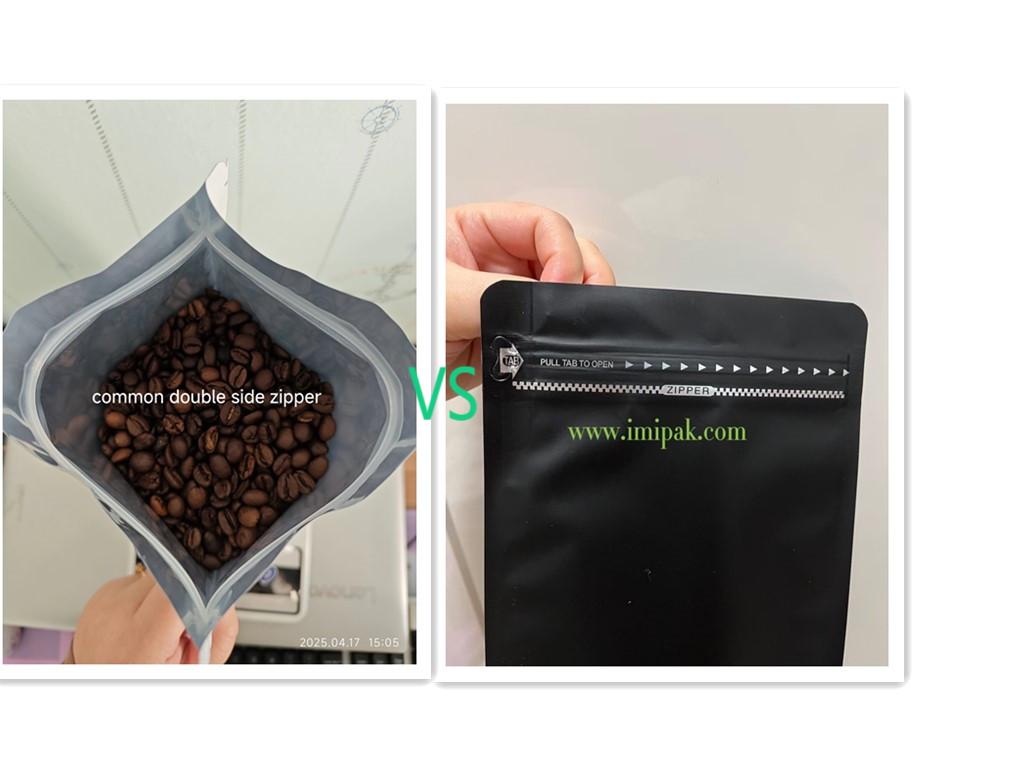
Stand-up pouches dominate the market due to their versatility. They protect coffee from moisture and air while allowing branding adaptability. Laminated materials are widely used to ensure durability and product safety.10
Other common methods include side gusset bags for larger volumes and flat-bottom pouches for premium products. Digital printing ensures vibrant designs for small batches, while gravure printing supports large-scale branding consistency.
Conclusion
Understanding MOQ and coffee packaging types helps you make informed decisions. Whether you’re ordering small or large quantities, knowing your options and goals ensures a smoother, cost-effective process.
-
"MOQ - Wikipedia", https://en.wikipedia.org/wiki/MOQ. A business glossary or manufacturing encyclopedia defines Minimum Order Quantity (MOQ) as the smallest quantity a supplier is willing to produce or sell, supporting the claim's definition. Evidence role: definition; source type: encyclopedia. Supports: MOQ stands for Minimum Order Quantity, the smallest quantity a supplier can produce or sell.. ↩
-
"MOQ: What is it and what are its advantages?", https://www.ar-racking.com/us/blog/moq-what-is-it-and-what-are-its-advantages/. Supply chain and manufacturing literature commonly note that MOQ affects pricing, production methods, and delivery times, though the degree of impact varies by industry and supplier. Evidence role: expert_consensus; source type: education. Supports: MOQ impacts pricing, production method, and delivery times.. Scope note: The impact may differ depending on the specific supply chain context. ↩
-
"6-12-17) - REGISTRATION PLATES: DIGITAL PRINTING", https://www.legislature.mi.gov/documents/2017-2018/billanalysis/senate/htm/2017-SFA-0374-A.htm. Industry guides on coffee packaging confirm that digital printing is typically used for small runs and does not require plate-making fees, supporting the claim. Evidence role: mechanism; source type: education. Supports: For quantities below 5,000 pieces, digital printing is used, eliminating plate-making fees.. Scope note: Exact quantity thresholds may vary by supplier and region. ↩
-
"Coffee packaging printing: How does it work?", https://mtpak.coffee/2025/08/how-does-coffee-packaging-printing-work/. Packaging industry sources indicate that gravure printing is more cost-effective for larger orders and plate-making fees are typically one-time charges if designs do not change, supporting the claim. Evidence role: mechanism; source type: education. Supports: Gravure printing becomes cost-effective for orders above 5,000 pieces, and its plate-making fee is a one-time charge as long as designs remain unchanged.. Scope note: Cost-effectiveness thresholds may differ by supplier and market. ↩
-
"economies of scale - News Literacy Initiative - Penn State", https://newsliteracy.psu.edu/glossary/economies-of-scale. Manufacturing and economics literature supports that lower order quantities typically result in higher unit costs, while larger orders benefit from economies of scale, reducing per-unit costs. Evidence role: statistic; source type: education. Supports: Lower quantities often mean higher costs per unit, while larger orders can reduce costs significantly.. Scope note: Actual cost reductions depend on production method and supplier pricing. ↩
-
"Coffee bag - Wikipedia", https://en.wikipedia.org/wiki/Coffee_bag. Coffee industry guides and packaging encyclopedias list stand-up pouches, flat-bottom pouches, side gusset bags, and laminated rolls as common packaging types, supporting the claim. Evidence role: definition; source type: encyclopedia. Supports: Common coffee packaging types include stand-up pouches, flat-bottom pouches, side gusset bags, and laminated rolls.. Scope note: Regional preferences and innovations may introduce additional types. ↩
-
"Do you pack coffee? View all stand-up pouches with valve", https://www.pouchdirect.com/sector/pouches-coffee?srsltid=AfmBOoqne8OyZzcDyTbiHbXxkrAufigQcm5CCzQ_w9qV79KA_avh4I_5. Packaging market research reports confirm that stand-up pouches are widely used in retail coffee packaging for their visibility and resealable features, supporting the claim. Evidence role: statistic; source type: research. Supports: Stand-up pouches are popular for retail due to their visibility and resealable options.. Scope note: Popularity may vary by market segment and region. ↩
-
"Flat Bottom Pouches for Coffee & Food | PouchDirect", https://www.pouchdirect.com/flat-bottom-pouches?srsltid=AfmBOopq7GfeOKdNM4dpXBRVxSdBXlSjp-AkypNR8Lw_HSevfzWoxC4g. Packaging industry literature describes flat-bottom pouches as offering improved storage efficiency and side gusset bags as suitable for larger quantities, supporting the claim. Evidence role: mechanism; source type: education. Supports: Flat-bottom pouches enhance storage efficiency, while side gusset bags are perfect for larger quantities.. Scope note: Suitability depends on product and distribution requirements. ↩
-
"What are the most common coffee bag sizes?", https://mtpak.coffee/2025/12/most-common-coffee-bag-sizes/. Market research and industry reports indicate that stand-up pouches with resealable zippers are among the most widely used coffee packaging formats, supporting the claim. Evidence role: statistic; source type: research. Supports: The most common way to package coffee is using stand-up pouches with resealable zippers.. Scope note: Market share may fluctuate based on region and product category. ↩
-
"Custom coffee bags: Which packaging laminate is best?", https://mtpak.coffee/2023/12/custom-coffee-bags-packaging-laminates-brand/. Packaging science literature and industry standards confirm that laminated materials are commonly used in coffee packaging to enhance durability and product safety, supporting the claim. Evidence role: mechanism; source type: education. Supports: Laminated materials are widely used to ensure durability and product safety.. Scope note: Material choice may depend on product requirements and cost. ↩
