

Many coffee brands think packaging is just a bag. I do not think so. Packaging decides freshness, shelf life, and brand image.
I choose coffee bean packaging1 by first confirming size and function, then selecting material and structure, and finally applying brand design elements.
I work with many roasters at IMIPAK. I often see brands focus on design first. But I always start from function.
What is the 15-15-15 rule for coffee2?
This rule is simple but important for freshness awareness.
The 15-15-15 rule for coffee2 means coffee tastes best within 15 days of roasting, and quality declines after each 15-day stage depending on storage conditions.

Dive Deeper
Why freshness matters
Coffee is sensitive to:
- Oxygen
- Moisture
- Temperature
My factory view
Packaging must slow down:
- Aroma loss
- Oxidation speed
If packaging fails, the rule becomes shorter.
What is the best packaging for coffee beans?
There is no single answer. But there is a best balance.
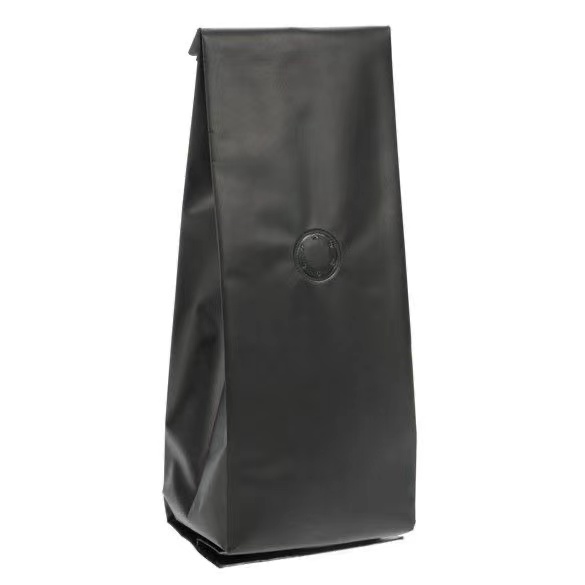
The best packaging for coffee beans is a laminated metallized bag3 with a one-way valve4 because it balances freshness protection, cost, and branding flexibility.
Dive Deeper
Why metallized bag3s work best
Metallized layers provide:
- Light blocking
- Oxygen resistance
- Moisture protection
My real recommendation
I usually suggest:
- Metallized composite structure
- Matte surface finish
What are the 4 enemies of coffee?
This is very important for packaging design5.
The four enemies of coffee6 are oxygen, moisture, heat, and light, all of which reduce freshness and aroma quality over time.
Dive Deeper
How each enemy affects coffee
- Oxygen → oxidation
- Moisture → flavor damage
- Heat → fast degradation
- Light → aroma loss
Packaging role
Good packaging must block all four.
What is the #1 coffee in the world?
This is a subjective question.
There is no single #1 coffee in the world, because coffee ranking depends on origin, roast style, and personal taste preference.
Dive Deeper
Why rankings change
- Arabica vs Robusta
- Light roast vs dark roast
- Single origin vs blend
My packaging insight
Premium coffee needs:
- Strong branding
- High barrier packaging
How Do I Choose the Best Coffee Packaging?
This is the key decision for every brand.
I choose the best coffee packaging by confirming product weight first, then matching structure, and finally selecting material and design features.
Dive Deeper
Step 1: Confirm weight and size
Common sizes:
- 250g
- 500g
- 1kg
Size affects:
- Bag structure
- Cost
- Storage stability
Step 2: Choose structure type
Common types:
- Stand-up pouch
- Flat bottom bag
- Side gusset bag
Step 3: Add branding
I often use:
- Spot UV
- Hot stamping
These make the brand more visible.

What details do I confirm first?
Many buyers start with design. I do not.
I always confirm size, filling weight, sealing method, and valve requirement before discussing design or printing.
Dive Deeper
My checklist
- Coffee weight per bag
- Shelf life target
- Storage condition
- Export or local sales
Why this matters
Wrong early assumptions cause:
- Wrong bag size
- Weak structure
- Cost waste
Which coffee bag types do I usually recommend?
Different brands need different structures.
I usually recommend stand-up pouch7es, flat bottom bag8s, and side gusset bag9s depending on branding level and storage needs.
Dive Deeper
My simple guide
| Type | Use case | My opinion |
|---|---|---|
| Stand-up pouch | Retail shelf | Most common |
| Flat bottom bag | Premium brand | Best stability |
| Side gusset bag | Bulk coffee | Cost efficient |
Why is the one-way valve4 important?
This is critical for roasted coffee.
- The one-way valve4 is important because it allows gas to escape while preventing oxygen from entering, which protects coffee freshness after roasting.
-
contentReference[oaicite:0]{index=0}
Dive Deeper
What happens after roasting
Coffee releases CO₂ gas.
Without a valve:
- Bag expands
- Flavor becomes unstable
My factory testing
I always check:
- Valve pressure balance
- Air leakage resistance
What mistakes do buyers often make?
I see the same mistakes repeatedly.
The biggest mistake is choosing packaging based only on appearance without testing barrier performance and valve function.
Dive Deeper
Common mistakes
- Ignoring material structure
- Skipping sample testing
- Choosing wrong bag size
My advice
Always test before mass production.
How Do I Choose the Right Packaging for My Product?
This applies to all coffee brands.
I choose packaging by matching product needs, shelf life goals, and branding strategy with the right material and structure.
Dive Deeper
My decision flow
- Product weight
- Freshness requirement
- Market positioning
- Cost target
What are the steps for custom coffee bag production[^10]?
Many buyers do not understand the process.
Custom coffee bag production includes design confirmation, material selection, sample approval, mass production, and quality inspection.
Dive Deeper
My factory workflow
- Step 1: Confirm structure
- Step 2: Confirm design
- Step 3: Make sample
- Step 4: Test sample
- Step 5: Mass production
Why I explain this clearly
Because unclear process leads to:
- Miscommunication
- Delay
- Cost mistakes
Why do I explain the process so clearly?
This is part of my working method.
I explain the process clearly because packaging is a technical product, and misunderstanding leads to quality risk and financial loss.
Dive Deeper
My experience
Many problems come from:
- Wrong expectations
- Missing technical details
My goal
I want clients to:
- Understand structure
- Reduce risk
- Make stable decisions
How Do I Design Coffee Packaging?
Design is the final step, not the first.
I design coffee packaging by first ensuring function, then adding branding elements like logo, texture, and finishing effects.
Dive Deeper
My design method
- Confirm structure first
- Choose color direction
- Apply branding effects
Key design features I recommend
- Spot UV for logo highlight
- Hot stamping for premium feel
- Matte finish for texture
Conclusion
I always choose coffee packaging based on function first, then structure, then design, because real packaging success depends on freshness protection and brand positioning.
